
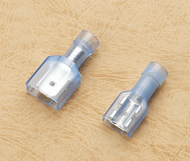
Male & Female Full Insulating Joints (Nylon) | A Complete Guide for Safe Electrical Connections
Posted by Paprsky Energy on 27th Apr 2026
Introduction
In any electrical system, the quality of connections directly impacts performance, safety, and longevity. Loose or exposed connections can lead to short circuits, voltage drops, or even hazardous failures. This is where fully insulated connectors become essential. Male and Female Full Insulating Joints (Nylon) are specifically designed to create secure electrical connections while eliminating exposure risks, making them a preferred choice across industrial and commercial applications.
What Are Male & Female Full Insulating Joints?
Male and Female Full Insulating Joints are paired electrical connectors that interlock to form a reliable and detachable connection. The male terminal fits into the female terminal, creating a firm electrical interface that ensures consistent conductivity.
What distinguishes these connectors from standard terminals is their complete nylon insulation. Unlike partially insulated variants, these joints are fully enclosed, leaving no conductive metal exposed. This design significantly enhances safety, especially in environments where accidental contact or electrical interference is a concern.
Construction and Material Advantages
These insulating joints are manufactured using high-quality conductive metal, typically copper or brass, which ensures efficient current flow with minimal resistance. The outer layer is made from durable nylon insulation, known for its excellent electrical and mechanical properties.
Nylon provides:
- High dielectric strength for electrical insulation
- Resistance to heat and flame
- Protection against corrosion and moisture
- Strong mechanical durability for long-term use
This combination of conductive core and protective insulation ensures that the connectors perform reliably even in demanding industrial environments.
Standard Design and Compatibility
One of the key advantages of these connectors is their standardized design. With a 0.8 × 6.35 mm tab size, they are compatible with widely used electrical systems and components. This standardization simplifies installation and replacement without requiring specialized modifications.
The connectors support 12–10 AWG (4–6 mm²) wire sizes, making them suitable for medium-duty electrical applications. Additionally, the yellow color coding helps technicians quickly identify the wire range, improving efficiency during installation and maintenance.
Performance and Electrical Capacity
Male and Female Full Insulating Joints are engineered to handle a current rating of up to 24A, making them ideal for moderate load applications. The tight interlocking mechanism ensures minimal contact resistance, which helps maintain stable current flow and reduces energy loss.
Their design also prevents loosening due to vibrations, which is especially important in automotive and industrial machinery applications where constant movement is common.
Key Benefits in Practical Applications
These connectors are widely used because they combine safety, convenience, and performance in a single component. Some of their practical benefits include:
- Enhanced Safety: Full insulation prevents accidental contact and electrical shocks
- Quick Installation: Simple crimping and plug-in design save time
- Ease of Maintenance: Connections can be disconnected and reconnected without damage
- Durability: Resistant to environmental and mechanical stress
- Reliable Performance: Maintains strong electrical contact over time
These features make them highly efficient for both new installations and repair work.
Common Industrial and Commercial Uses
Male and Female Full Insulating Joints are versatile and used across various industries. In control panels and switchgear systems, they ensure organized and secure wiring connections. In automotive applications, they are widely used for wiring harnesses due to their vibration resistance and easy disconnect feature.
They are also commonly found in industrial machinery, household appliances, and maintenance operations where reliable and insulated connections are required. Their adaptability makes them a go-to solution for electricians and technicians working in diverse environments.
Choosing the Right Connector for Your Application
Selecting the correct insulating joint depends on factors such as wire size, current requirements, and environmental conditions. For applications involving 12–10 AWG wires and moderate electrical loads, these yellow-coded connectors provide an optimal balance of performance and safety.
It is also important to ensure proper crimping during installation, as a secure crimp directly affects conductivity and overall reliability. Using the right tools and following standard practices can significantly enhance the lifespan of the connection.
Why Fully Insulated Connectors Are a Smart Investment
Incorporating fully insulated connectors into electrical systems is not just about compliance-it is about improving operational safety and efficiency. By preventing exposure, reducing maintenance risks, and ensuring stable performance, Male and Female Full Insulating Joints offer a practical and dependable solution for modern electrical connectivity.
Their combination of standardized design, durable materials, and user-friendly installation makes them an essential component for professionals seeking long-term reliability in electrical systems.